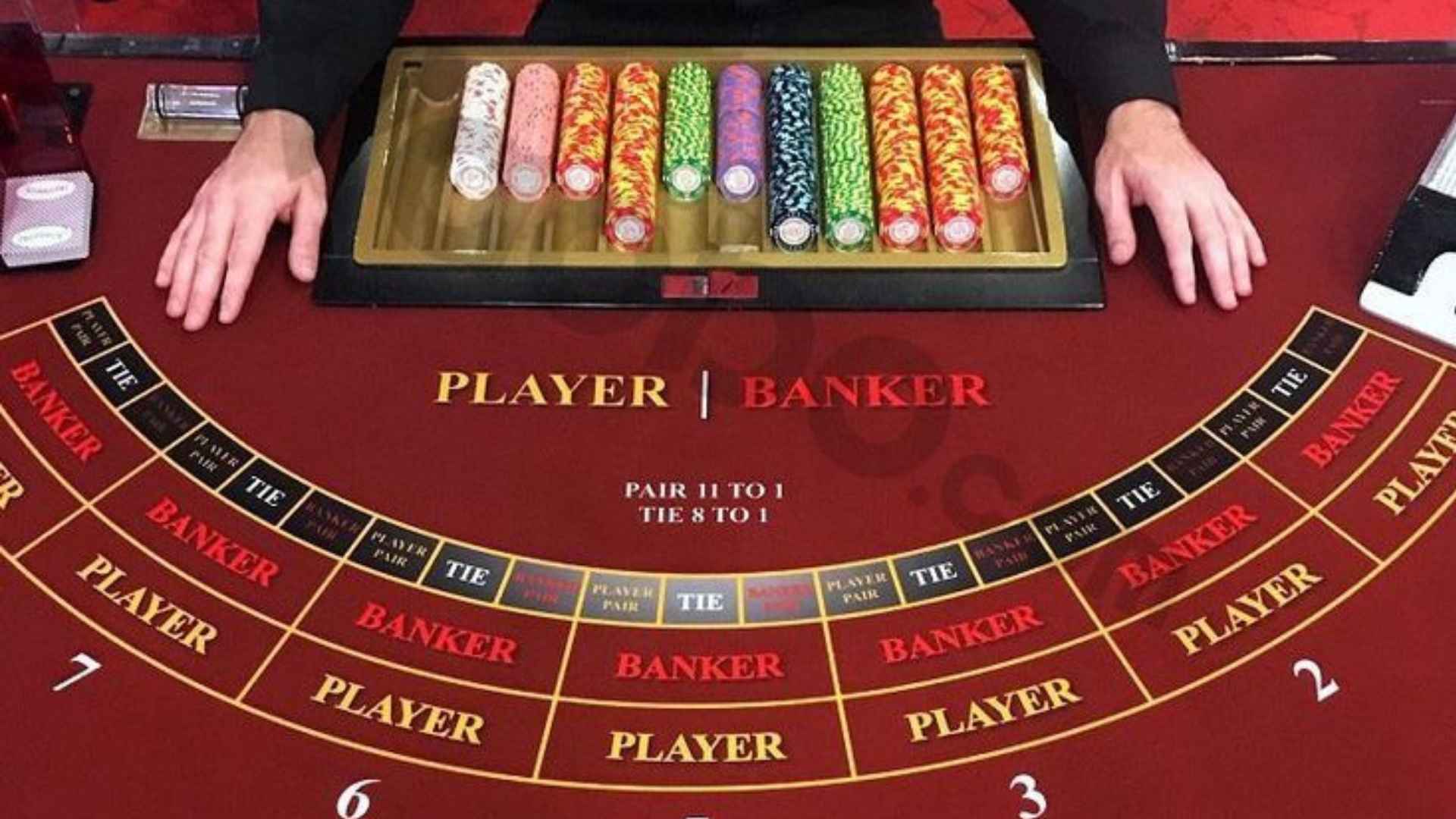
The architecture of modern reward systems has shifted dramatically from fixed incentives to dynamic, unpredictable distribution models. Across digital platforms, gaming ecosystems, and consumer loyalty programs, variable prizes have become a key mechanism for driving sustained engagement. By altering the timing, value, and frequency of rewards, designers tap into fundamental human behaviors that elevate routine interactions into captivating experiences.
The Psychology of Unpredictable Rewards
Uncertainty plays a foundational role in how the human brain processes motivation and satisfaction. When an outcome is not guaranteed, anticipation builds naturally, releasing dopamine long before the actual prize is revealed. This psychological mechanism transforms standard tasks into exciting milestones, encouraging users to stay active for longer periods.
Unlike fixed-rate rewards that can lead to rapid adaptation and eventual boredom, variable rewards maintain a sense of novelty. Each interaction carries the potential for a surprising outcome, making the journey itself feel meaningful. As a result, platforms utilizing variable mechanics often observe higher retention rates compared to those relying on predictable structures.
Structuring Dynamic Prize Models Across Platforms
Designing an effective variable prize structure requires a delicate balance between effort, probability, and perceived value. Developers typically categorize rewards into tiers, combining frequent low-value perks with rare, high-impact bonuses. This tiered approach ensures that participants feel consistently recognized while still pursuing significant long-term achievements.
In mobile gaming and digital entertainment, seamless access to variable reward features enhances user satisfaction. For instance, convenient options such as m88 login mobile allow players to quickly participate in dynamic events and promotional draws from anywhere. Streamlined accessibility ensures that the excitement of surprise rewards fits naturally into daily digital routines.
Balancing Engagement and Fair Mechanics
While unpredictable prizes significantly boost user interest, maintaining transparency and fairness is essential for long-term trust. If the probability of winning valuable rewards feels entirely out of reach, users can quickly experience burnout or skepticism. Responsible developers mitigate this risk by establishing clear odds and incorporating guaranteed progress safeguards.
Combining variable outcomes with clear milestone tracks provides a dual sense of security and surprise. Participants gain peace of mind knowing their core efforts yield progress, while still enjoying the spontaneous thrill of unexpected drops. Achieving this equilibrium is vital for sustaining a healthy, long-lasting relationship between platforms and their audiences.
The Future of Dynamic Incentive Design
As technological capabilities expand, variable prize systems are becoming increasingly personalized through data analysis and adaptive algorithms. Modern systems can analyze player preferences to tailor reward types, adjusting drop frequencies to suit individual play styles. This personalization ensures that incentives remain compelling and relevant over extended periods.
Ultimately, variable prizes have redefined how modern digital experiences foster user engagement. By blending psychological insights, balanced probability design, and accessible technology, developers continue to craft reward frameworks that feel fresh, dynamic, and genuinely fulfilling.